UI / UX Design
Petcine
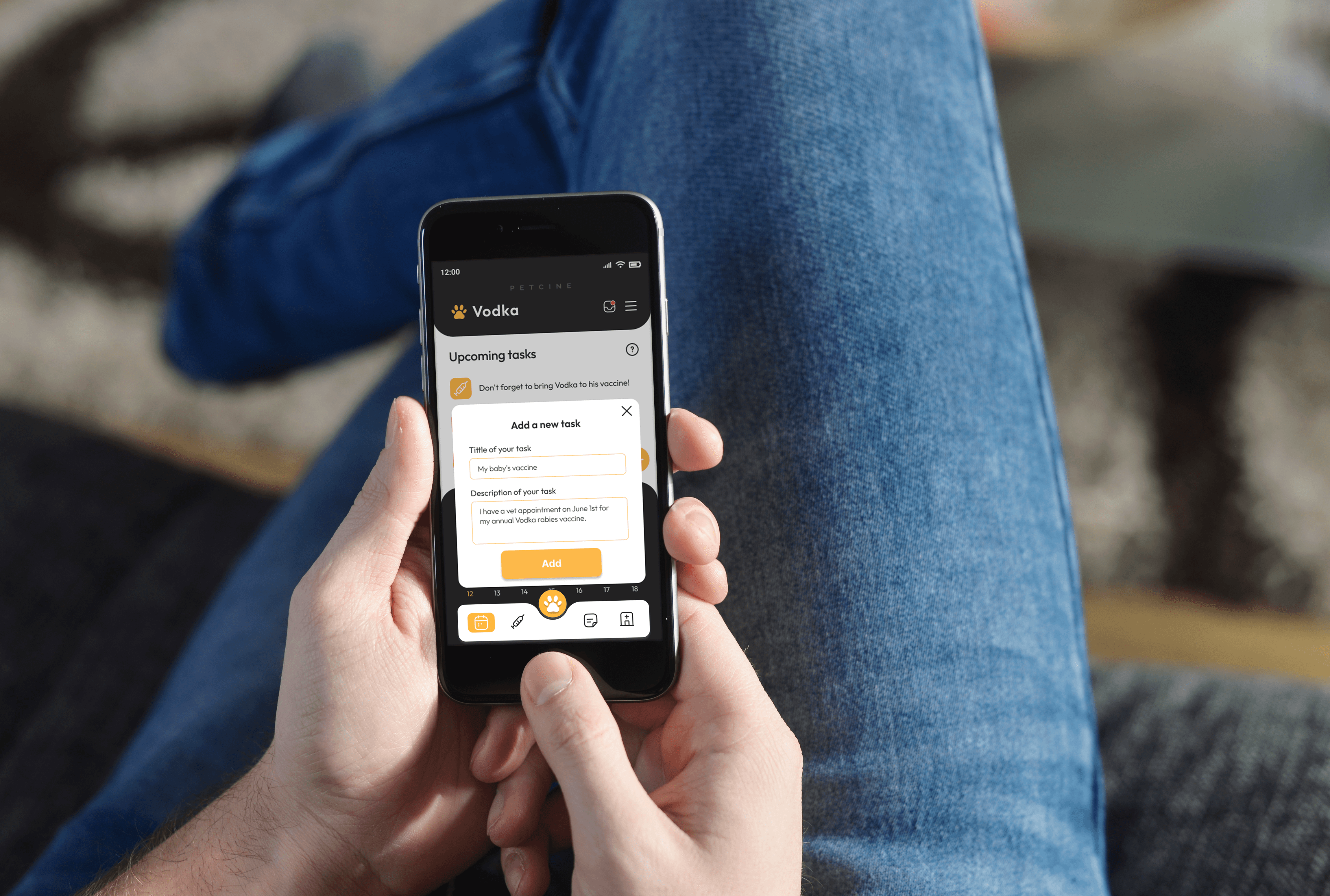
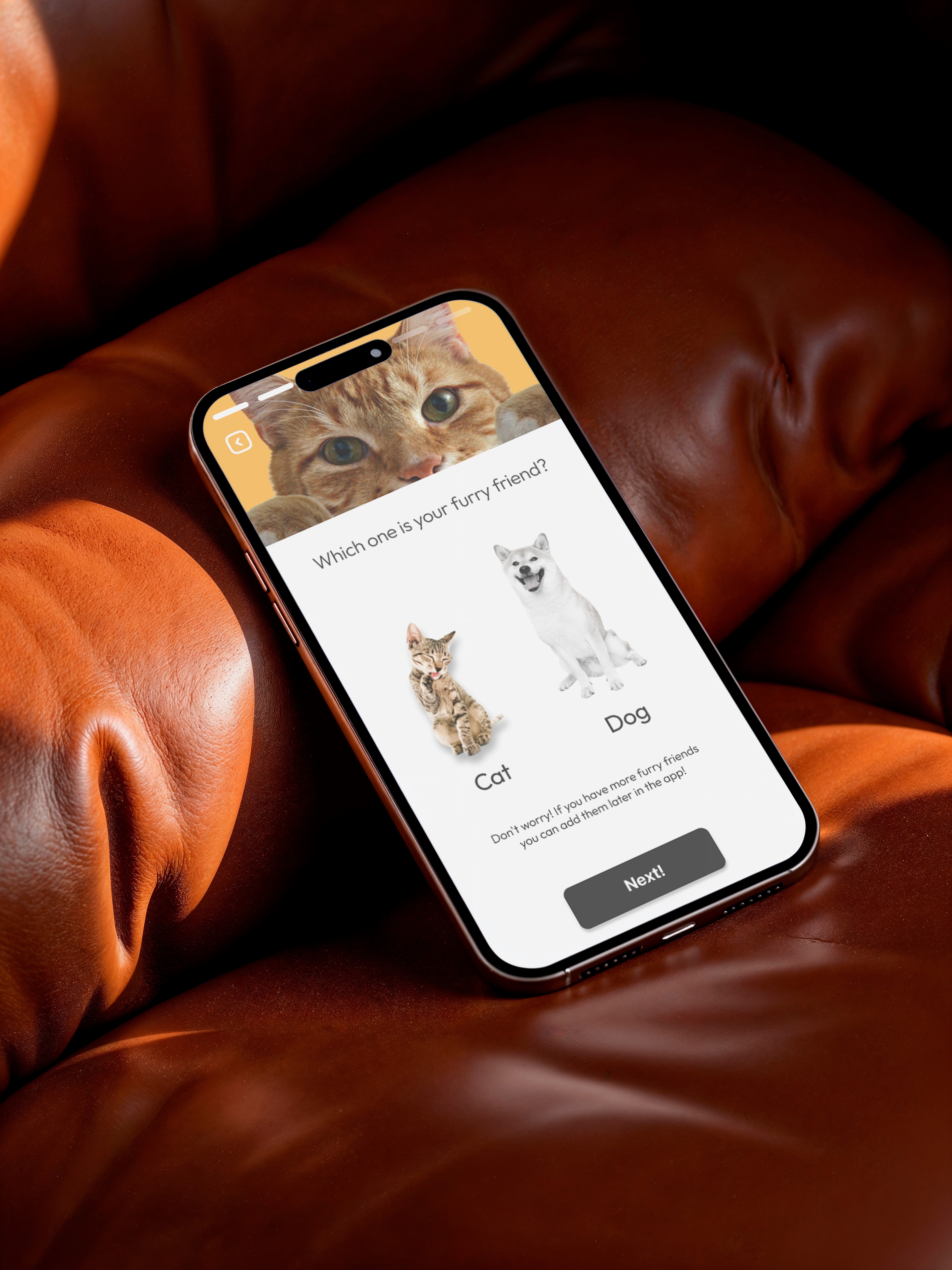
Petcine is a mobile application designed to help pet owners manage the health, routines, and life records of their pets in one centralized and intuitive platform.
Role:
Product Designer
Industry:
Pet Industry
Project Duration:
2 months
Year:
2025
The Problem
The objective of this project was to create a structured yet emotionally supportive experience that helps users stay organized, informed, and proactive in their pet’s well-being.
Pet owners often struggle to:
Remember vaccination dates.
Track veterinary appointments.
Keep record of surgeries or treatments.
Maintain grooming routines.
Organize scattered medical documents.
Most rely on:
Calendar reminders.
Paper vaccination cards.
WhatsApp messages with their vet.
Memory.
This creates fragmentation and risk. The opportunity: Design a digital companion that centralizes pet care and reduces cognitive load for owners.
Understanding the User
Primary users:
First-time pet owners.
Busy professionals.
Families with multiple pets.
Owners managing long-term treatments.
Key behavioral insights:
Owners want to feel responsible and prepared.
Forgetting an appointment creates guilt.
Medical information feels overwhelming.
Emotional attachment increases attention to detail.
A critical insight: Pet care is both emotional and operational. The app must support both dimensions.
Design Strategy
The product was structured around three core pillars:
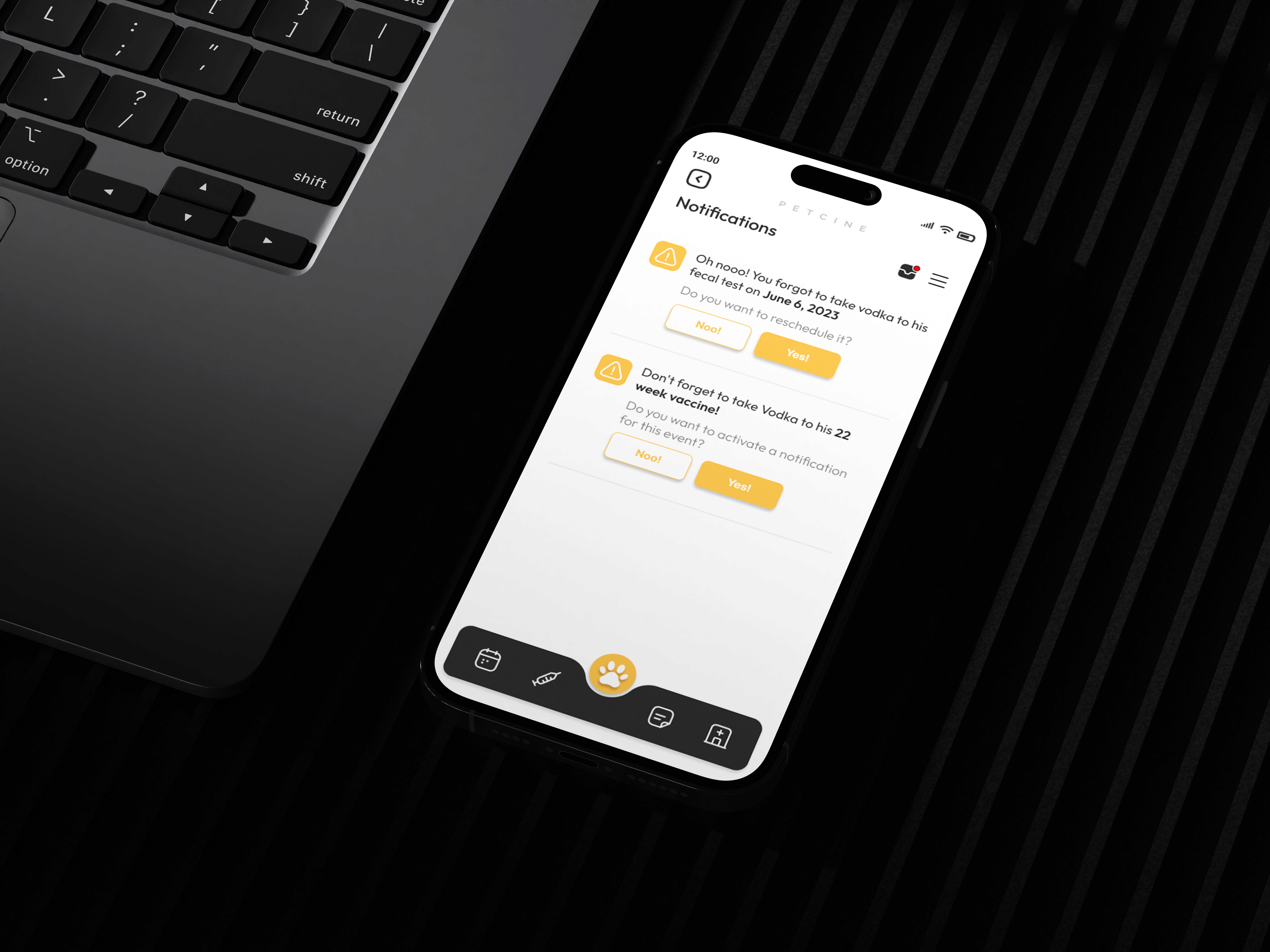
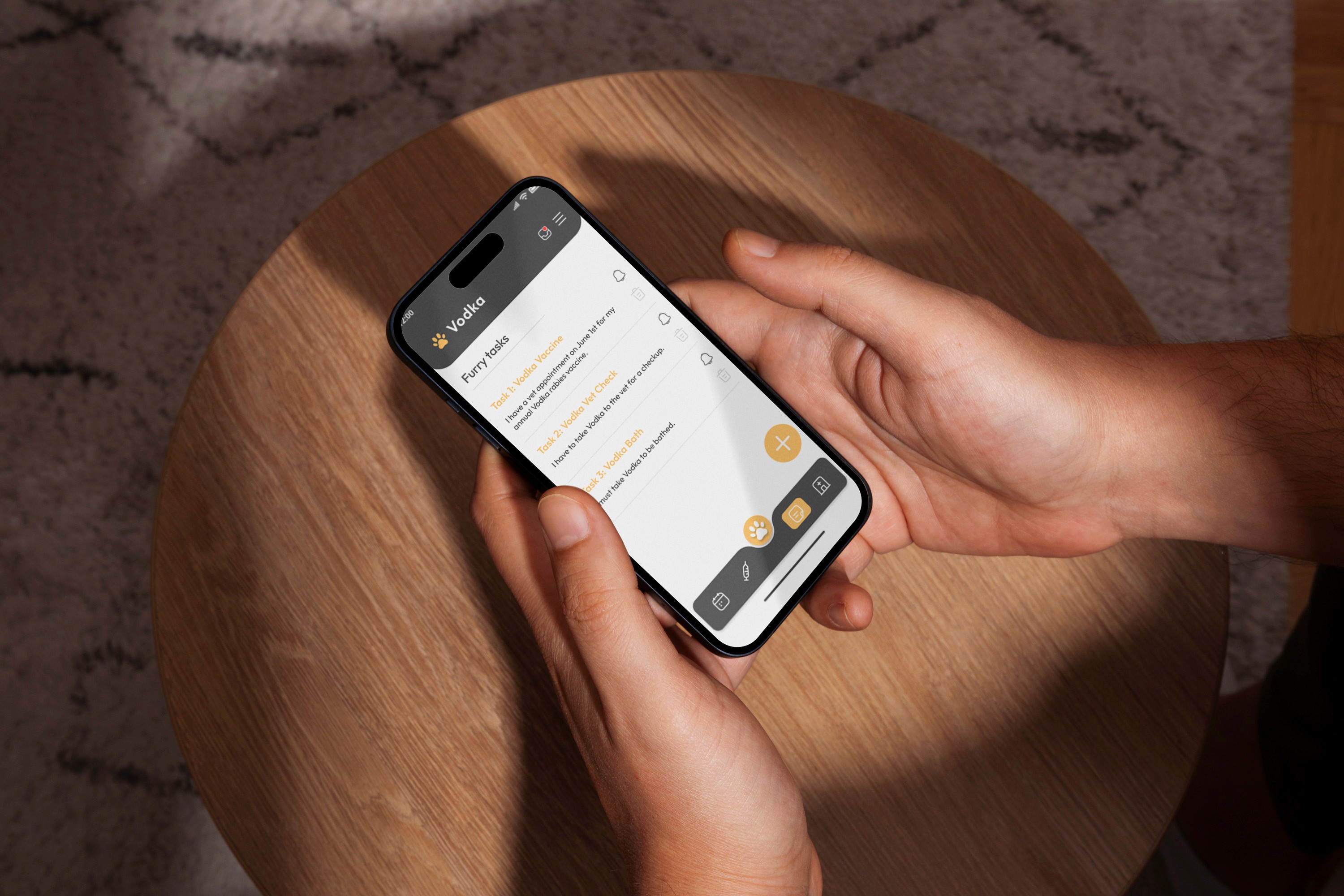
Proactive Care Through Reminders
I designed a smart reminder system for:
Vaccinations.
Grooming.
Vet appointments.
Medication schedules.
Routine checkups.
Instead of generic notifications, reminders include:
Context (what and why).
Editable frequency.
Clear confirmation actions.
The goal was to reduce forgetfulness and increase responsibility without overwhelming users.
Centralized Health Profile
Each pet has a structured profile including:
Basic data (name, breed, age, weight).
Medical history.
Vaccination records.
Surgeries.
Notes.
Custom observations.
This transforms the app into a digital health record — accessible anytime. Information is grouped logically to reduce cognitive friction.
AI-Powered Companion (Future Vision)
A future feature introduces an AI assistant designed to:
Answer curiosity-based questions.
Explain general pet behaviors.
Provide educational insights.
Offer care tips.
Examples:
“Why does my cat lower its whiskers?”
“Why is my dog suddenly shedding more?”
The AI includes:
Clear medical disclaimers.
Encouragement to consult veterinarians.
No diagnostic or prescription capability.
This balances curiosity with responsible UX ethics.
Process
Research & Problem Mapping
I mapped common pain points in pet ownership:
Missed appointments.
Disorganized documents.
Anxiety over unusual behavior.
Lack of structured tracking.
I identified a gap between emotional concern and practical management tools.
User Journey Mapping
The typical journey includes:
Adopting a pet.
First vet visit.
Vaccination cycles.
Grooming routines.
Unexpected symptoms.
I designed the app to support both routine and unexpected events.
Information Architecture
The platform was structured into core sections:
Dashboard
Calendar
Pet Profile
Medical History
Notes
Reminders
AI Assistant (future)
Navigation was simplified to reduce decision fatigue.
Interaction Design
Mobile-first approach prioritized:
Thumb-accessible navigation.
Clear reminder visibility.
Quick-add entries for medical events.
Easy editing of scheduled tasks.
Forms were simplified to avoid overwhelming data entry.
Dashboard Experience
The home dashboard shows:
Upcoming appointments.
Pending reminders.
Recently added notes.
Quick access to pet profile.
Health alerts (if applicable).
The layout is clean, calm, and reassuring. Pet care should not feel stressful.
Calendar System
The calendar view:
Displays appointments clearly.
Differentiates event types by visual indicators.
Allows quick scheduling.
Syncs logically with reminder settings.
This reinforces proactive behavior.
AI Companion Concept
The AI assistant was designed with:
Conversational UI.
Friendly but informative tone.
Structured answer format.
Clear disclaimer banners.
Ethical considerations included:
Avoiding medical diagnosis.
Encouraging professional consultation.
Transparency about AI limitations.
This feature supports education, not replacement of veterinary care.
Design Experience
Visual Design
The UI uses:
Soft, calming color palette.
Clean typography.
Generous spacing.
Friendly iconography.
The aesthetic supports trust, clarity, and warmth. The goal was to feel like a caring assistant — not a clinical system.
Design System
To ensure scalability:
Defined spacing scale.
Status indicators (Upcoming / Completed / Overdue).
Reminder badges.
Modular profile components.
Expandable medical record sections.
This system supports future additions such as:
Multi-pet management.
Vet integration.
Insurance tracking.
Emergency quick-access information.
Ethical Considerations
Since the platform manages sensitive health data, we prioritized:
Data clarity.
User control over editing.
Transparent AI limitations.
No medical automation.
Responsible design was fundamental.
Potential Impact
If implemented fully, Petcine could:
Reduce missed vet appointments.
Improve vaccination compliance.
Decrease anxiety through organization.
Increase responsible pet ownership.
It shifts pet care from reactive to proactive.
Key Learnings
Emotional products require empathetic UX.
Health tracking must feel structured, not clinical.
AI features require responsible boundaries.
Reminder systems must be helpful, not intrusive.
If iterated further, I would:
Test notification frequency tolerance.
Integrate vet calendar APIs.
Add emergency quick-access card (blood type, allergies).
Explore wearable integration for pet activity tracking.